Art and Craft for Preschoolers: A Simple Guide for Parents
Art and craft time is probably the most loved of all activities in the preschool. Art activities give young children a calm space to explore colour, texture, ideas, and movement. I think our innate tendency to seek, create and love art is one of the hallmarks of being human.
In this guide, we show how parents can set up easy, low-cost art and craft activities at home for ages three to six. You do not need fancy supplies or long sessions. Short bursts of ten to fifteen minutes are enough for kinesthetic children, while art loving kids may want to do it for a longer time.
Why Art and Craft Matter in Early Childhood
Art & craft activities build creativity, hand strength, and confidence. Children learn through simple hands-on experiences, and happiness comes from that journey, and not from perfect final products. Art activities also enhance the brain's capabilities and soothe the mind. Art and craft help preschoolers develop several important skills:
grip strength and wrist stability
hand-eye coordination
pattern recognition
sensory awareness
early geometry (shapes, sizes, symmetry)
cultural understanding
emotional expression
These activities support language too. Children learn new words when describing what they see and feel.
Art and craft as an approach is so important that the National Education Policy has made art integration mandatory for school level learning. You can teach anything with the help of art, making the process enjoyable and the learning deeper.
Principles of Play-Based Art and Craft
A few simple principles make creative time easier.
Keep it open-ended
Let children explore. A process-based activity builds confidence and imagination.
Use everyday materials
Paper scraps, old magazines, leaves, cardboard tubes, cotton buds, and vegetable pieces all work well.
Focus on process, not outcome
A scribble is still communication. A messy collage is still learning.
Let children repeat
Repetition builds mastery. It strengthens early brain pathways.
Keep activities short
Ten to fifteen minutes suits most children. Stop before they feel tired.
Easy Art and Craft Materials to Keep at Home

A small box of materials covers most creative needs:
crayons, chalks, washable paints
glue stick, child-safe scissors
paper plates, cardboard, envelopes
cotton buds, sponges, cloth scraps
leaves, twigs, petals, pebbles
vegetable pieces for print-making
string, tape, jute, yarn
Parents can add more items slowly.
Art Activities Every Preschooler Can Try
A few easy ideas that work across ages three to six:
colour mixing on a tray
finger painting or texture painting
vegetable printing with okra, potatoes, or carrots
cotton-bud dot painting
collage with natural objects
simple shape stamping
sticker art for fine motor practice
sponge dabbing
symmetry art (folded paper)
These are Mess-Lite options that need very little clean-up. Check out our art & craft activity ideas here.
Craft Activities That Support Learning
Craft time supports maths and literacy when used intentionally.
making shapes from yarn or straws
threading beads or pasta
sticking torn bits of paper by colour
creating simple pattern strips
sorting craft materials by size
crafting festival symbols (rangoli, diyas, flowers)
building paper sculptures
making story props for pretend play
Even short tasks build logic, planning, and storytelling.
Cultural Art and Craft for Indian and NRI Families
Art and craft help children understand cultural festivals and traditions. A few examples:
rangoli art with shapes and colours
flower pookalam patterns
diya drawing and clay moulding (check out Diwali activities here)
Holi colour dabbing (check out Holi crafts here)
kite collage for Sankranti (see some Sankranti activities here)
Tricolor craft for Independence Day (get some ideas for national festivals here)
Christmas tree sponge prints (more Christmas craft ideas here)
Simple stories paired with art deepen cultural understanding. Find more activity ideas related to Indian festivals here.
8. How to Set Up a Creative Corner at Home
Parents do not need a dedicated room. A tray or mat on the floor works well.
keep a wipe-clean sheet or mat
use a small basket for art supplies
store paints in child-safe containers
keep wet wipes or a damp cloth handy
display a few finished pieces on a wall or folder
A predictable space makes art time feel more structured and secure. It helps build discipline and consistency into the child's life.
9. Common Challenges (and How to Handle Them)
Mess worries
👉🏼Keep activities small. Use a mat. Pick washable materials.
Short attention spans
👉🏼Most children work in short bursts. Offer quick wins and stop early.
Children expecting perfect results
👉🏼Show them your own mistakes. Celebrate effort.
Lack of materials
👉🏼Use what you have—leaves, cotton buds, cardboard, a bit of flour paint.
NRI challenges
👉🏼Swap hard-to-find Indian items with local options. Creativity stays the same.
Explore More Activities
Art and craft pair well with fine motor activities. Get some fun art and craft ideas in these articles:
Recommended Free Worksheets
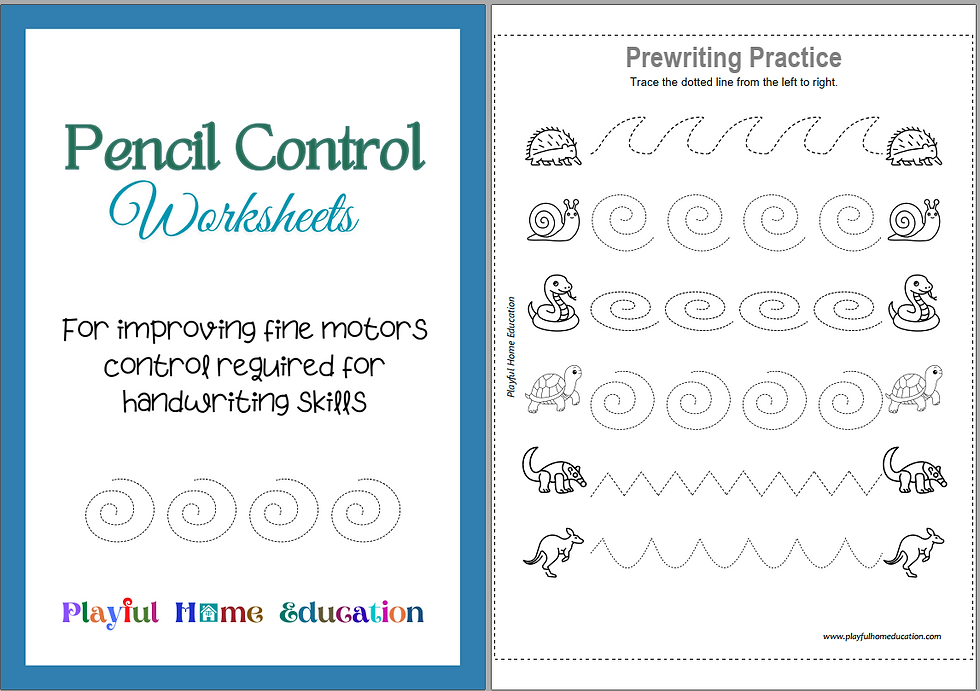
Here are some worksheets to use in your art activities. These build grip, control, and early geometry skills.
✨Final Note for Parents
Children do not need perfect drawings to learn. Give them time and freedom to experiment. Art and craft help them express ideas and build confidence in quiet, meaningful ways. Art is not only good for motor skills, but also for developing the brain and a creative mind. Art heals and uplifts the soul. And along the way, you will build many beautiful and fun-filled memories.