What Is a Seed? Simple Science for Preschoolers
Kids are curious by nature. They love to ask questions—some genuine and many that seem nonsensical. Nevertheless, as parents and teachers, we must listen and answer their questions, no matter how trivial they may seem.
A lot of kids’ curiosity revolves around birth and growth. This is where everyday nature can do the explaining for you. Demonstrating and explaining through seeds is an easy way to show them how something tiny can turn into something alive. You don’t need a garden or fancy tools—just a few simple materials and a little patience. Sprouting for preschoolers helps them grow their own seeds and watch the first signs of life unfold right before their eyes.
What Is a Seed? (Basic Science for Preschoolers)
A seed can be described as a small casing that holds a baby plant. It stays “asleep” until it finds the right conditions: water, air, and warmth. When these conditions are met, it begins to grow into a new plant.
Parts of a Seed
A seed has three distinct parts, and explaining them to the kids helps them understand the growth cycle of a plant better while keeping their curiosity alive:
Seed coat: The seed coat is like a protective layer that keeps the seed safe.
Cotyledon or seed leaf: This part of the seed supplies energy and nutrition to the growing plant.
Embryo: It’s a little plant inside, consisting of a shoot and root. This is the part that later grows into a plant when the conditions are right.
Explaining these parts to the little ones gives them a clearer picture of what’s happening inside the seed as it starts to grow. It also makes the sprouting demo more meaningful. They can connect the changes they see in the seed with what they have been taught. When kids know the different parts of a seed, every new root or leaf that grows excites them. They can remember the actual science behind the germination process for a long time.
How Seeds Germinate
The three most basic things essential for a seed to germinate are water, air, and a little warmth. When these conditions are right, the seed coat softens, the root begins to push out, and then the shoot starts growing upward. Tiny leaves appear, and the baby plant starts growing above the soil. Observing germination helps children understand the growth cycle of a plant.
Simple Germination for Kids - Demo
Here’s a simple demo to explain the process of germination. You need easily available materials for this:
Materials:
Clear jar or cup
Cotton or paper towel
Water
Seeds (like beans or peas)
Steps:
It takes just a few minutes to set up the experiment.
Place a layer of cotton in the jar and sprinkle some water on it.
Next, place the seeds on the moist cotton layer.
Keep the jar in a warm spot. Ask your child to check it every day.
Encourage your child to notice the changes in the root, the shoot, and the leaves.

Safety Tips
A few small steps can keep the activity safe and hygienic:
Remind children to wash their hands after touching seeds or cotton.
Place the jar in a safe spot so it won’t fall over.
If you want to show your child the inside of a soaked seed, do the cutting yourself. This will keep the child safe.
If you want to build your child’s interest in nature, our blogs on nurturing environmental awareness can be helpful. They offer insights, lessons, and resources to help kids connect with the world around them. Check out our articles on Nature & Environment here.
Observation Chart for Kids
Create a simple chart where children can draw what they see each day. The chart will have a row of boxes labeled Day 1, Day 2, Day 3, and so on. Inside each box, kids draw what they see. Below each box, you can add tiny prompts like:
“What changed today?”
“How long is the root?”
“What colour are the leaves?”
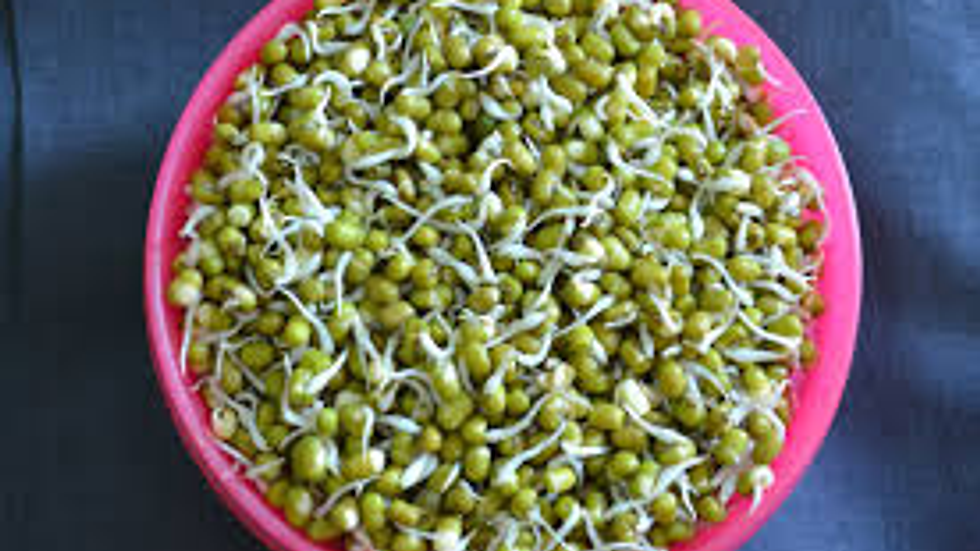
Drawing their observations will help children practice noticing details. It will enable them to retain and remember the entire experimentation and the lessons.
If your child enjoys hands-on exploration, you might also like our simple STEM activity ideas for Engineer’s Day, which use everyday materials to spark the same curiosity seeds naturally inspire. Check them out here.
Summing it All Up
Watching seeds grow is an easy, hands-on way to teach children about nature, growth, and plants. The seed germination demo not only keeps their curiosity alive but also helps them develop a love for nature.
Science for preschoolers begins with small things like seeds. With just a few simple materials and a bit of daily observation, kids can see a tiny seed transform into a living plant. This plant science kids' activity will also help your kids develop qualities of patience, observation, and scientific temperament.
Want to add a simple, ready-to-use activity to your kid’s lesson plan? Try our Bee-Themed Worksheets. They’re easy to use and perfect for reinforcing early skills. Download them here.
For more play-and-learn ideas, updates on new products, articles, and resources, you can subscribe to our newsletter for updates. You can also join our community on Facebook: Playful Home Education and follow us on Instagram: Playful Home Education.

Author Bio:
Vidya S. is a content writer with over eight years of experience helping small businesses find their voice and stand out. You can connect with her on LinkedIn.

![Star Gazing for Kids [Space Themed Activities Series]](https://static.wixstatic.com/media/b1f11a_ce48c30cd67b4a1fae6b7c7ec1ecccd7~mv2.png/v1/fill/w_800,h_600,al_c,q_90,enc_avif,quality_auto/b1f11a_ce48c30cd67b4a1fae6b7c7ec1ecccd7~mv2.png)